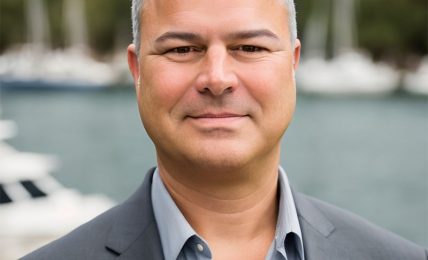
Meet Michael Garrett | Founder and CEO – Trusted World


We had the good fortune of connecting with Michael Garrett and we’ve shared our conversation below.
Hi Michael, how does your business help the community?
Our work is built around a simple idea: help people before a small problem becomes a crisis.
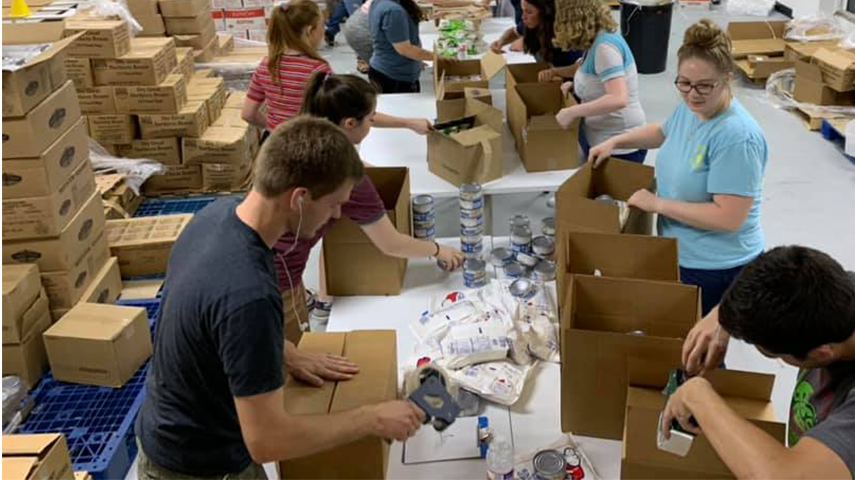
Through Trusted World, we partner with teachers, police officers, and case managers—the people who often see the first signs of struggle. When they identify a need, we provide clothing, food, and essential items at no cost, so families can stay focused on stability instead of survival. That early intervention is what we call Preventive Poverty®, meeting needs while people still have a home, a job, and momentum in their lives.
What makes our approach different is that we don’t just give resources—we remove friction. By handling logistics, inventory, and fulfillment behind the scenes, we allow frontline professionals and nonprofits to spend more time doing what they do best: caring for people. The result is a quieter kind of impact, fewer emergencies, fewer families falling through the cracks, and a stronger community overall.
Let’s talk shop? Tell us more about your career, what can you share with our community?
My work sits at the intersection of community service, systems design, and prevention.
What sets Trusted World apart is that we focus on how help moves, not just what is given. We built infrastructure that allows teachers, police officers, and nonprofits to respond quickly and with dignity when they identify a need. That approach, Preventive Poverty®, is something I’m especially proud of, because it shifts the conversation from reacting to crisis to stopping it before it escalates.
Getting here wasn’t easy, and it wasn’t fast. Like many nonprofit leaders, I learned by doing, making mistakes, fixing them, and slowly realizing that good intentions alone don’t create sustainable impact. The biggest challenge was learning how to scale without burning people out. That forced me to think differently about efficiency, data, and process, even in a mission-driven space.
One of the biggest lessons I’ve learned is that creativity isn’t just art, it’s problem-solving. Building systems that work, removing friction for others, and designing solutions that last are creative acts. When you get that right, the impact multiplies without adding complexity.
What I want people to know about me and our work is simple: we believe helping people should be smart, fast, and human. When communities invest in prevention and strong systems, everyone benefits, not just the people receiving help, but the people providing it too.
Any places to eat or things to do that you can share with our readers? If they have a friend visiting town, what are some spots they could take them to?
If a close friend had a week in the area, I’d want them to experience DFW the way locals do, not rushed, and not just the highlights.
We’d start with good food, because that’s non-negotiable here. Easy mornings with coffee and breakfast spots that feel local, then dinners that mix long-standing favorites with smaller places doing things really well. Dallas has no shortage of great food, but some of the best meals happen in places that don’t need hype.
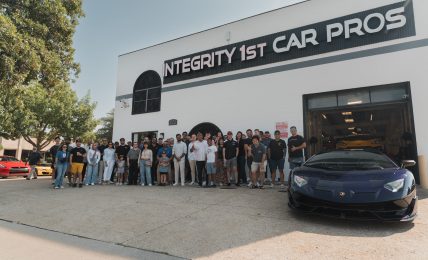
One day would be dedicated to Downtown Garland. The recent renovations have really transformed it into a place you want to spend time, walking around, grabbing a meal, checking out small shops, and just being part of the community. It’s a great example of what happens when a city invests in people and place, and it reflects why we’re proud to be based there.
During the week, we’d also slow things down, White Rock Lake, the Arboretum, or a museum that invites conversation instead of rushing you through. Neighborhoods like Bishop Arts or Deep Ellum earlier in the day are great for that too.
A couple of evenings would be about sitting somewhere comfortable, having a drink, and actually talking. Dallas has a lot of thoughtful, creative people doing meaningful work, and those quieter moments are often the most memorable.
If there’s one thing I’d want them to leave with, it’s this: DFW isn’t just big, it’s layered. There’s creativity, generosity, and heart here, and once you spend real time in it, you understand why people choose to build their lives, and their work, here.
Who else deserves some credit and recognition?
This work has never been a solo effort, so I’d have a hard time naming just one person.
If I had to dedicate this shoutout, it would be to the frontline professionals, teachers, school counselors, police officers, and case managers, who quietly do the most challenging work in our community every day. They’re the ones who notice when a child is wearing the wrong size clothes, when a family is skipping meals, or when something just doesn’t feel right. Trusted World exists because of its insight and its trust.
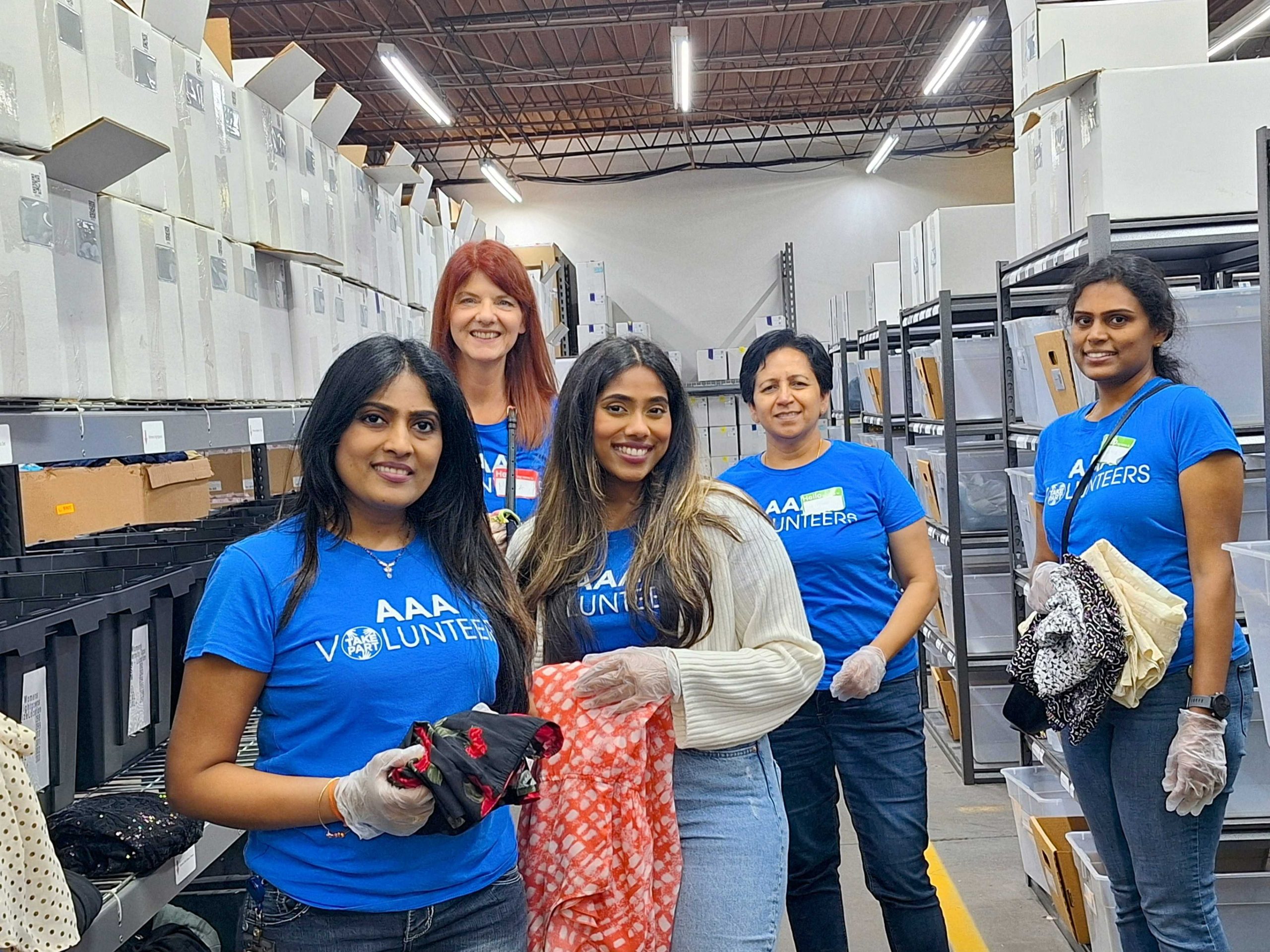
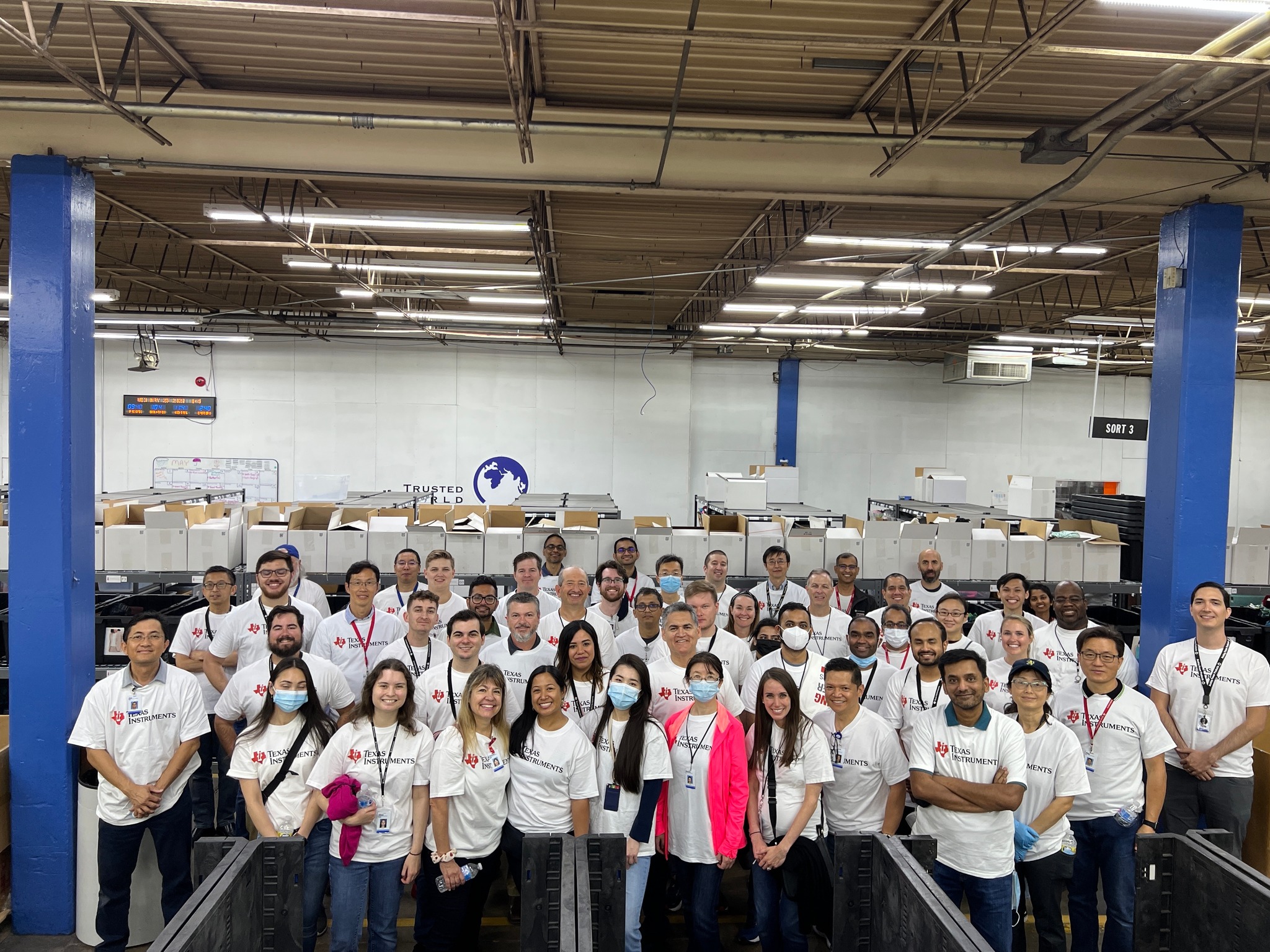
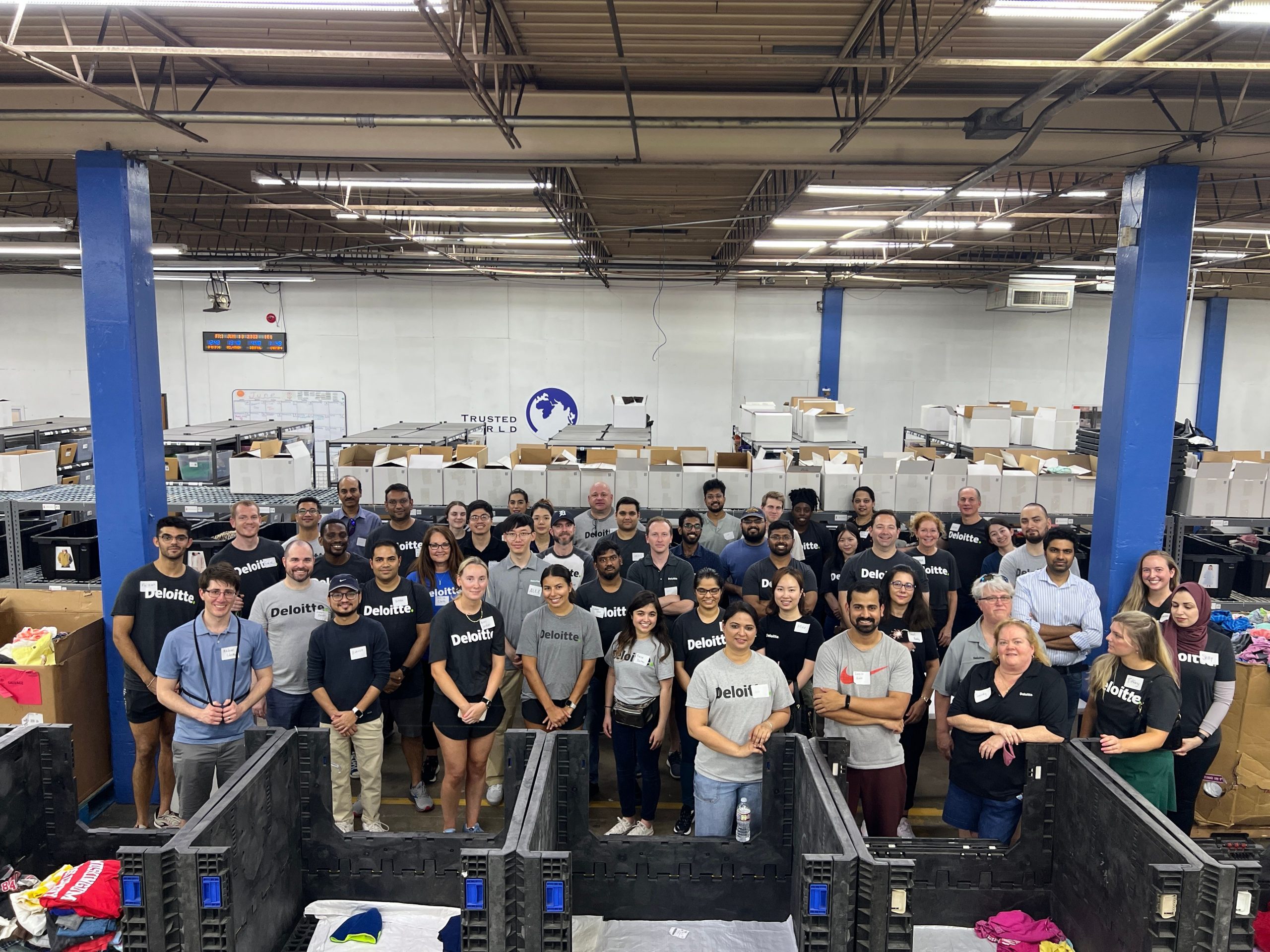
I’d also credit the volunteers and small team behind the scenes who believe that systems matte, that doing things well, efficiently, and with dignity can change outcomes for real people. Many of them never see the impact firsthand, but they are a critical part of it.
Finally, I’ve learned a lot from leaders, both in books and in real life, who taught me that prevention is more powerful than reaction, and that sustainable impact comes from building processes, not just programs. That mindset shaped everything we’ve built.
Website: https://trustedworld.org
Linkedin: https://www.linkedin.com/company/trusted-world-foundation
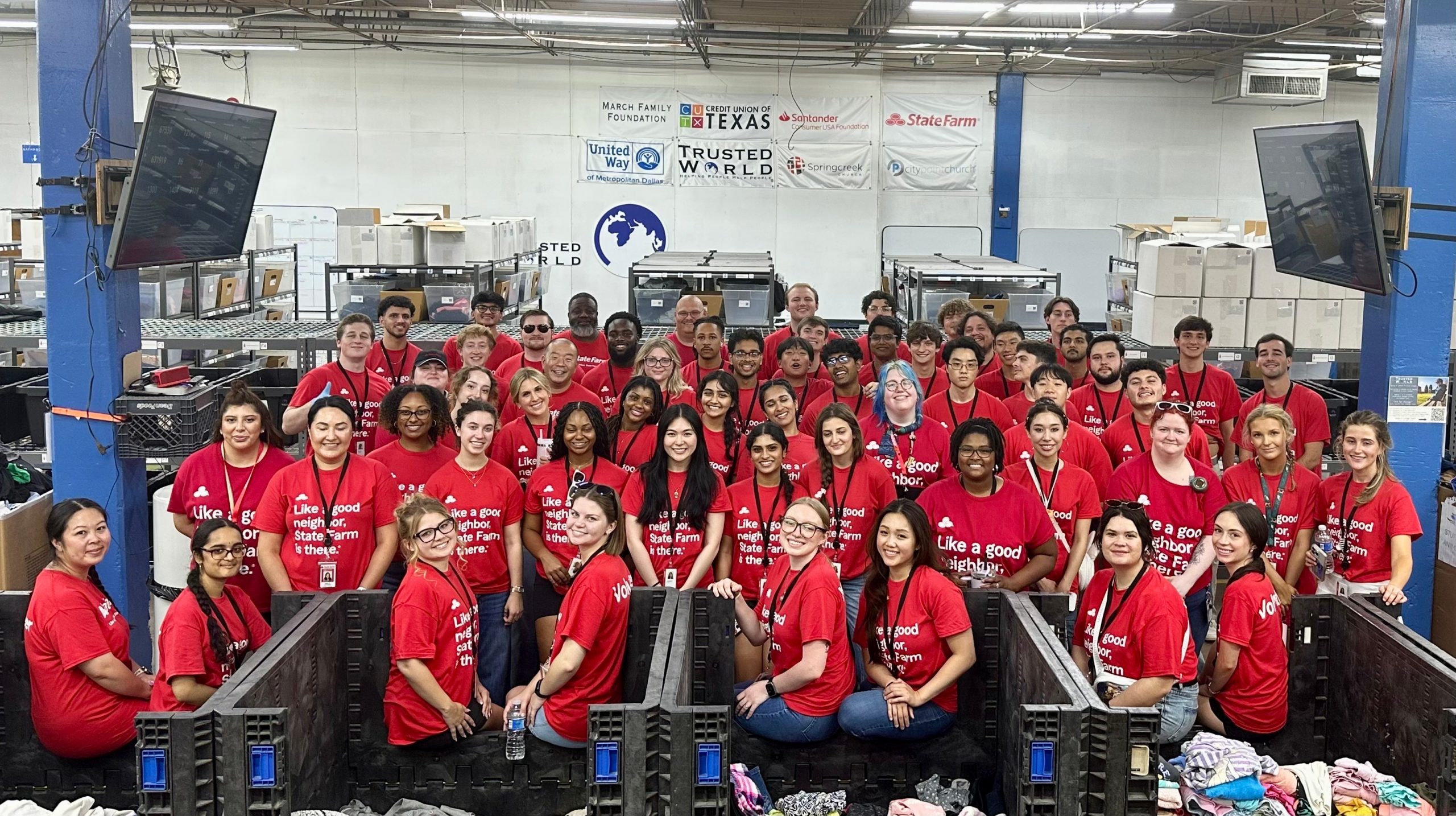
Image Credits
All images © Trusted World Foundation Inc.