Meet Dhruhi Patel | Rutgers Water Resources Program Middlesex County Rain Gardens Mobilization Lead
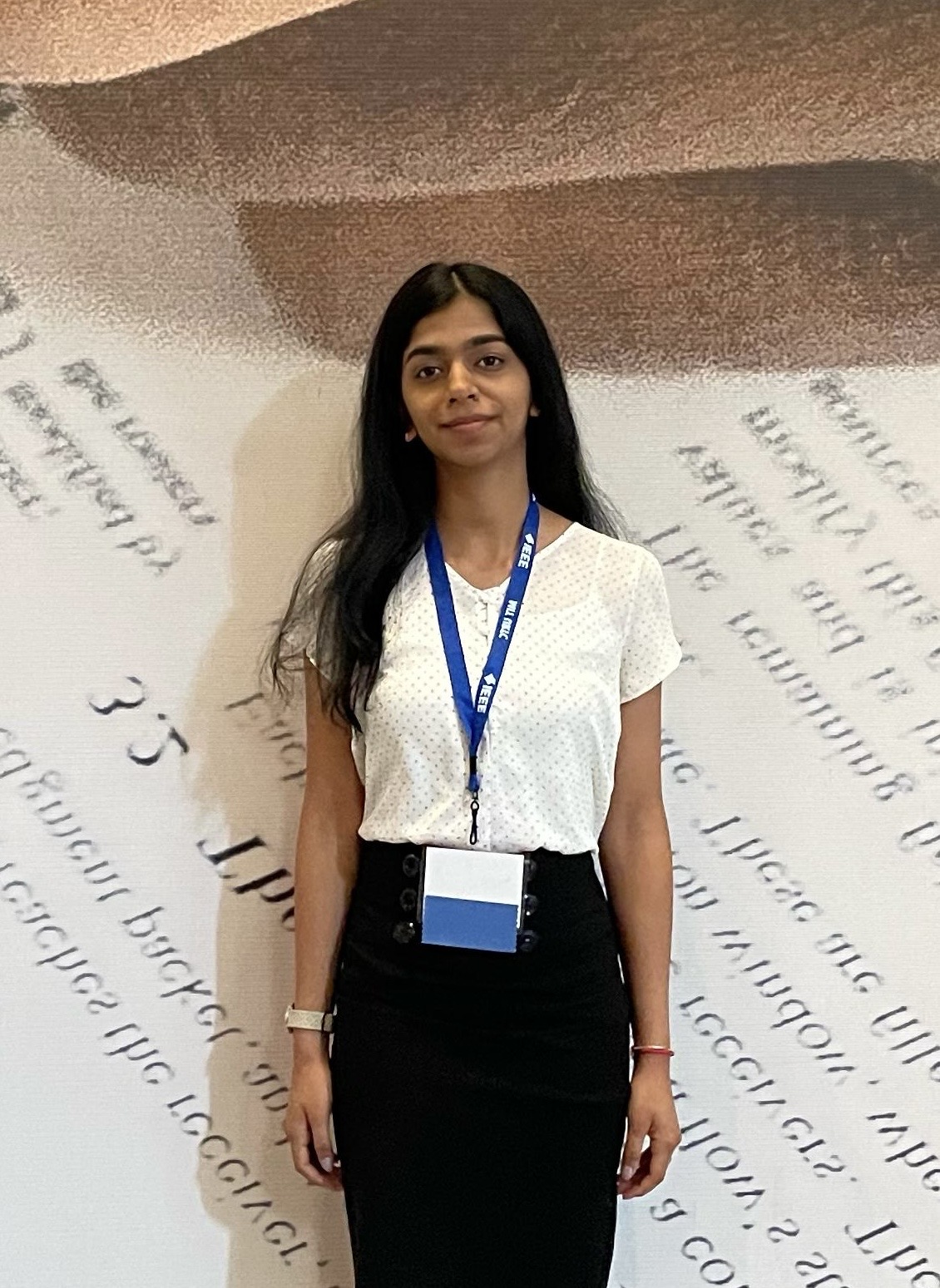


We had the good fortune of connecting with Dhruhi Patel and we’ve shared our conversation below.
Hi Dhruhi, can you walk us through the thought-process of starting your business?
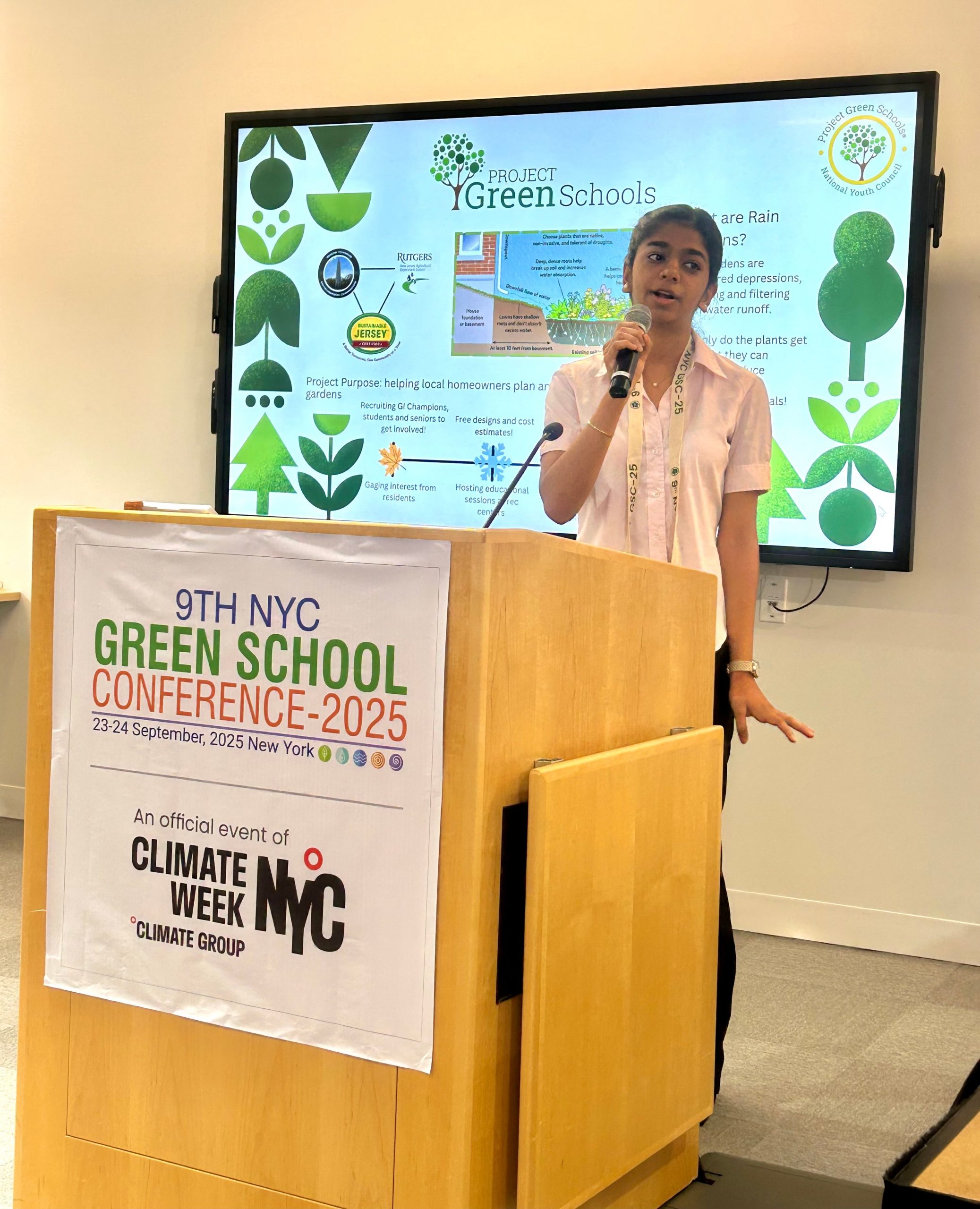
During November 2024, New Jersey faced drought conditions for the first time in 22 years. With rainfall totals being 1 to 6 inches below normal, crop production and groundwater levels suffered greatly. As an avid environmental enthusiast, I noticed that there remained a general passivity towards combating the changing climate on an individual basis because people felt their actions wouldn’t make a difference on a large scale. Supplemented with the fact that many people cannot afford to invest the time, money, and effort required for conventional sustainable technology, I realized the need for “realistic sustainability.” After becoming a Rutgers Green Infrastructure Champion, this notion materialized in my residential rain garden project. Rain gardens are engineered depressions in the ground that capture and filter stormwater runoff, which would normally wash pollutants and toxins into waterways, exacerbating drought conditions. In planning educational sessions with homeowners during the fall, designing their rain gardens with other GI champions at no cost during the winter, and finally building the rain gardens during the spring, I aimed to alleviate the financial and mental stress on homeowners who wish to adopt sustainable practices. Scalable and people-oriented solutions such as rain gardens are key to working towards a future where sustainability is a practical choice for everyone.
Let’s talk shop? Tell us more about your career, what can you share with our community?
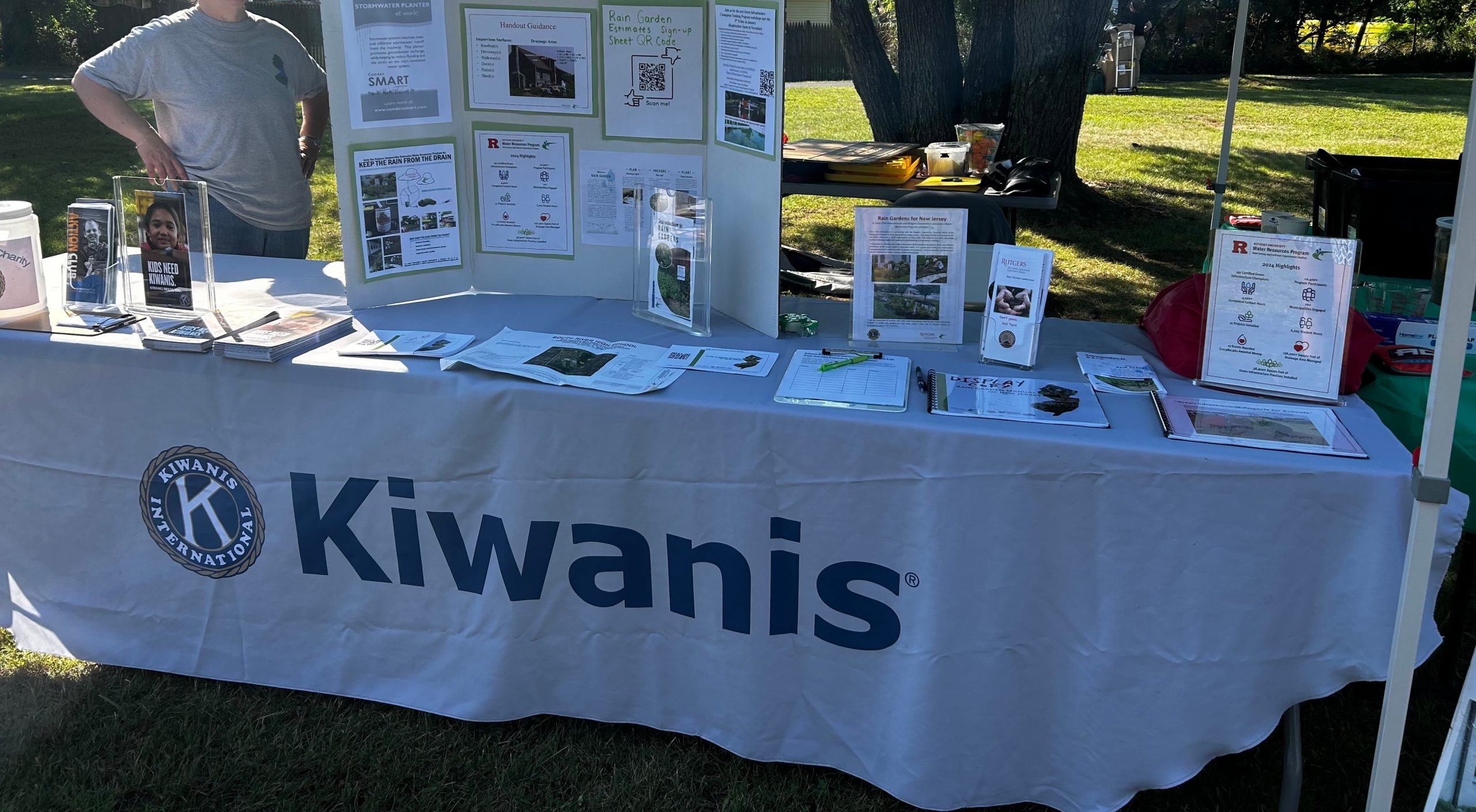
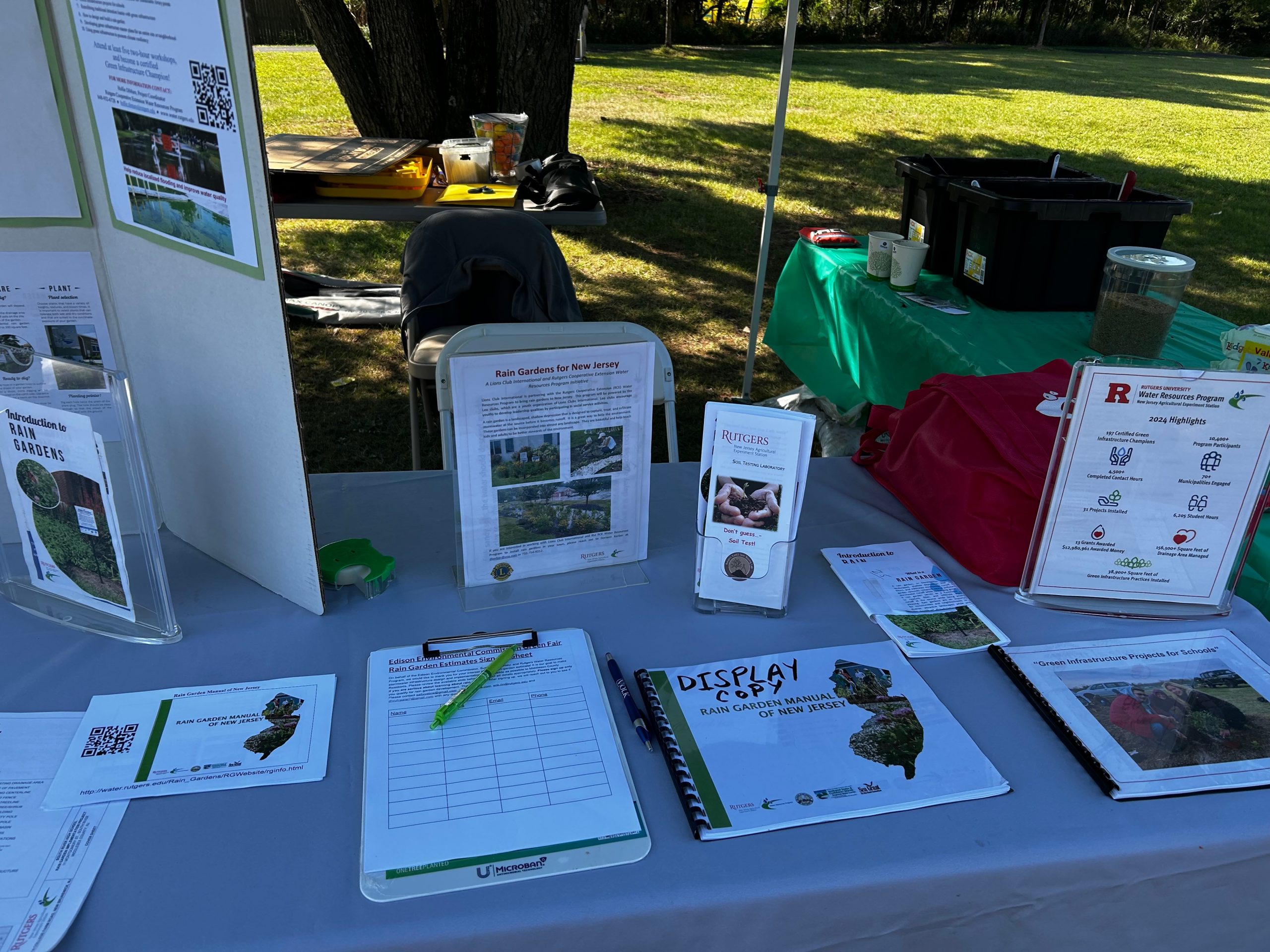
My work with green infrastructure started when I was a freshman in high school. I was browsing for ways to get more involved with sustainable technology implementation and found the Rutgers Green Infrastructure Champions course online. In the course, as I navigated the complexities of building partnerships with local organizations, writing grants, conducting site assessments, and, finally, planning and building the rain gardens, I was exposed to the enormous amount of work in setting up a single garden. In my initiative, I seek to further simplify this information for residents to amplify their interest. In educational rain garden sessions, we discuss the potential benefits of bio-retention for residents, the steps we take to plan, design, and implement rain gardens. We tailor rain garden designs to the residents’ specific drainage needs by discussing rain garden dimensions, pretreatment options, biochar soil media amendments, vegetation selection, and tools such as Autodesk, ArcGIS, and topographic surveys to maximize runoff capacity. Each step in the process is thoroughly covered through visually appealing media to maximize audience engagement.
To subsidize the cost of tools such as shovels, mulch, tillers, and wheelbarrows, we borrow tools from trained GI champions, and plant plugs conducive to the hydrological conditions of rain gardens are propagated by the Rutgers Teaching Nursery during the winter in time for rain garden implementation during the spring/summer.
However, even sourcing wildflower or perennial seeds takes meticulous contemplation of the practicality of each sourcing option. Donations from certain public organizations are only available to rain gardens in public spaces or in certain geographical regions while most nurseries offered discounted but not free seeds. Cheaper seeds could be shipped from plant nurseries outside NJ but nonnative seeds wouldn’t advance the natural biodiversity of NJ gardens. Meanwhile buying seeds locally in the small amounts required for gardens are pricey. Addressing these difficulties has taught me the importance of patience, interdependence and open communication with eco-groups, and resourcefulness in ensuring an environmental initiative crosses the finish line.
Each cold-email and cold-call to a local watershed, community gardening initiative, or seed nursery is an opportunity to gather practical insight outside manuals and classes and connect with new members of the community. Though not every email will result in a conversation and not every conversation will end in a solution, the only way to find a solution is to make an attempt.
In the end, through financially equitable rain gardens, we hope our communally built green infrastructure can not only reduce pollutants like oils, chemicals, and metals in rainwater but reduce the divide between cultures and communities.
Let’s say your best friend was visiting the area and you wanted to show them the best time ever. Where would you take them? Give us a little itinerary – say it was a week long trip, where would you eat, drink, visit, hang out, etc.
Some of the most interesting things to check out near me include a local cafe, Frappe Joe Coffee Roasters. They have fresh fusion drinks, specialty coffees and donut flavors which change on a weekly basis! Edison also has some beautiful parks, including Merrill Park, Roosevelt Park, and Oak Ridge Park, which are perfect for morning jogs and evening strolls (but don’t feed the ducks there!). The Metuchen borough of NJ also has a number of unforgettable mom-and-pop shops in dining and entertainment, perfect to cool down after a long day.
Who else deserves some credit and recognition?
I would like to dedicate my shoutout to Erik Lin, a research assistant at the Rutgers Cooperative Extension Water Resources Program. His support has been invaluable in assembling this project and all of its technicalities.
From helping me network with other Water Resources Professionals and GI Champions to providing advice on the next best course of action, whether that be sourcing the cheapest seeds or developing resident interest at the Edison Green Fair, Erik has always been ready to offer his support in any way he can.
His guidance has taught me the value of persisting through hurdles with resourcefulness and creativity. Thank you, Erik, for believing in me and this project from the very beginning.
Image Credits
Pictures taken by Dhruhi Patel and Robin Sidman